
-banner.png)
Knowing what to bring to a funeral can feel overwhelming during an already difficult time. Whether you are attending a traditional service, a wake, or a celebration of life, arriving with the right items shows respect for the grieving family and helps you feel more prepared. This etiquette guide covers everything from sympathy cards and flowers to religious considerations and practical items you may not have thought of.
What to Bring to a Funeral
When deciding what to bring to a funeral, focus on items that offer comfort to the bereaved, honor the deceased, and align with the tone of the service. The most common and appropriate things to bring include a sympathy card, flowers, food for the family, a charitable donation, or a meaningful memorial gift. Below, we break down each option so you can choose what feels right for the situation.
A Sympathy Card
A heartfelt sympathy card is the single most universally appropriate item to bring to any funeral service. It gives the family something tangible to hold onto during the difficult weeks ahead. Keep your message sincere and personal. If you knew the deceased well, share a brief memory or quality you admired. If you are less familiar with the person who passed, a simple expression of condolence is perfectly appropriate.
Avoid cliches like "they're in a better place" unless you are certain the family shares that belief. Instead, acknowledge their loss directly and offer specific support. For guidance on what to write, see our article on sympathy card messages with examples for every relationship.
If you plan to include a monetary gift or donation receipt inside the card, a plain, understated envelope is best. Hand the card to a family member directly or place it on a designated table near the guest book.
Flowers and Funeral Arrangements
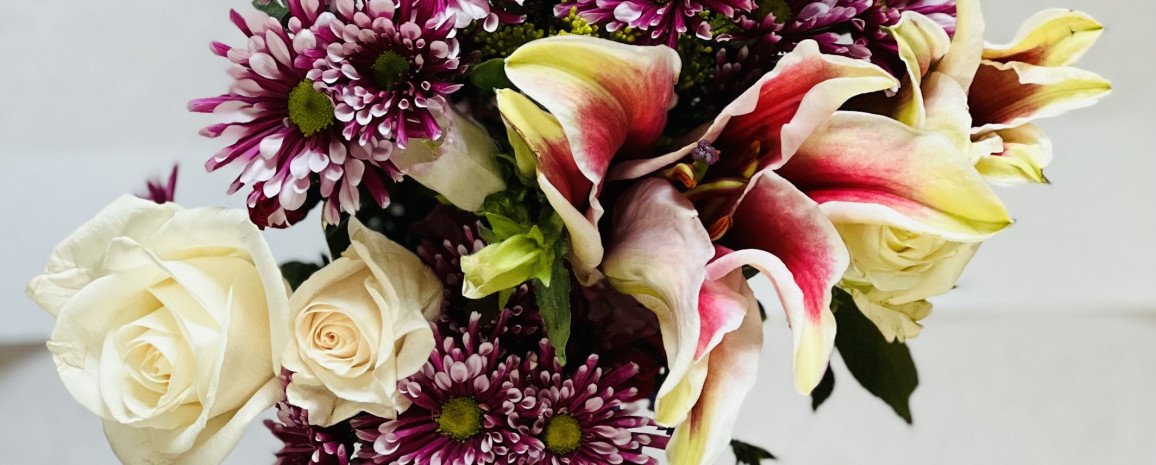
Funeral flowers remain one of the most traditional gestures of sympathy. You can send an arrangement to the funeral home before the service or bring a modest bouquet with you on the day. Standing sprays, wreaths, and casket arrangements are typically ordered in advance and delivered by the florist. A smaller hand-carried arrangement of lilies, roses, or chrysanthemums is appropriate if you are attending in person.
Before ordering flowers, check the obituary or with the family. Some families request "in lieu of flowers" donations to a charity or cause. In certain religious traditions, flowers are not customary. When in doubt, a living plant or a memorial tree is a meaningful alternative that grows as a lasting tribute to the person who passed.
Food and Meals for the Family
Bringing food is one of the most practical and appreciated gestures you can make. Grieving families often have little energy to cook, and their homes may be full of visitors in the days surrounding the service. Casseroles, soups, baked goods, and deli platters are all welcome contributions. Choose items that store easily, reheat well, and do not require immediate refrigeration during transport.
Label your dish with the contents and any allergen information. Use disposable containers so the family does not have to worry about returning anything. If you are bringing food to the reception after the service, coordinate with whoever is organizing the gathering to avoid duplicates.
Meal delivery gift cards are another thoughtful option, giving the family flexibility to order what they need in the weeks following the funeral when visitors have gone home and the reality of loss settles in.
Charitable Donations and Memorial Gifts
Many obituaries specify a preferred charity for donations in memory of the deceased. Making a contribution and bringing the acknowledgment card to the funeral is a meaningful way to honor their life. If no charity is listed, consider causes the person cared about deeply.
Memorial gifts offer a lasting way to pay tribute. Popular options include engraved keepsakes, photo frames, custom jewelry, or symbolic gifts like a remembrance candle that the family can light during moments of reflection. For a curated list of thoughtful options, browse our guide to the best memorial gifts for grieving families.
Photos and Memories to Share
If you have photographs of the deceased that the family may not have seen, bringing copies to the funeral can be incredibly meaningful. Print them out rather than offering to send them digitally. Physical photos can be added to a memory board or given directly to the family as a keepsake.
Some funerals and celebrations of life include an open time for attendees to share memories aloud. If you plan to speak, prepare a few brief notes. Focus on a specific story or quality that captures who the person was. Keep it under two minutes and appropriate for all ages in attendance. Even if you do not speak publicly, writing a short memory on a card to leave with the family is a gesture they will treasure.
Practical Items to Carry with You
Beyond gifts for the family, think about what you personally may need during the service. Funerals are emotional, and small practical items can make the experience more comfortable.
- Tissues — Pack a small travel pack, and consider bringing extras to share with those sitting near you.
- Water bottle — Services and receptions can be long. Stay hydrated, especially in warm weather or crowded spaces.
- Umbrella — Graveside services are held outdoors regardless of weather. Check the forecast and come prepared.
- Cash — Some traditions involve monetary gifts. Having cash in a plain envelope ensures you are prepared.
- Sunglasses — For outdoor services, sunglasses serve a dual purpose: sun protection and a measure of privacy if you are emotional.
- Phone on silent — Not an item to bring, but an essential reminder. Silence your phone before you enter.
If you are unsure about what to wear to a funeral, our dedicated guide covers dress codes for every type of service and cultural tradition.
What NOT to Bring to a Funeral
Understanding what to bring to a funeral also means knowing what to leave behind. Avoid anything that draws attention to yourself or could make the family uncomfortable.
- Brightly colored or festive gifts — Unless the family has explicitly requested a celebration of life with bright colors, stick to muted and respectful tones.
- Alcohol — Do not bring alcohol to a funeral or wake unless the family has specifically planned a toast or reception that includes it.
- Strong perfume or cologne — In close quarters, heavy fragrance can be overwhelming, especially for people who are already feeling unwell from grief.
- Gifts that require immediate attention — Live animals, perishable items without proper storage, or anything that creates an obligation for the family should be avoided.
- Unsolicited religious materials — Unless the service is held within a specific faith tradition and you are sharing within that context, do not bring religious texts or materials to someone of a different belief system.
- Camera equipment — Do not photograph or record the service unless the family has expressly asked you to do so.
Bringing Children to a Funeral
Whether to bring children depends on the child's age, temperament, and relationship to the deceased. Many families welcome children, as their presence can be a reminder of life's continuity. However, prepare them in advance. Explain what will happen during the service, how people may behave, and that it is okay to feel sad or confused.
Bring quiet activities for younger children: a small coloring book, a stuffed animal for comfort, or a picture book about loss appropriate to their age. Sit near an exit so you can step out if your child becomes restless or upset. Pack snacks and a water bottle, as services can run longer than expected.
If the child was close to the deceased, consider helping them create something to bring, such as a drawing or a handwritten note to place with the flowers or on the casket. This gives children a sense of participation and helps them process their grief in a tangible way.
Religious Considerations for Funeral Gifts
Funeral etiquette varies significantly across religious and cultural traditions. Knowing the customs of the family's faith ensures your gesture is received with the respect you intend.
Catholic Funerals
Flowers, Mass cards, and sympathy cards are all appropriate. A Mass card indicates that a Catholic Mass will be said in memory of the deceased and is one of the most meaningful gifts within this tradition. Food for the family after the service is also welcome.
Jewish Funerals (Shiva)
Flowers are generally not appropriate at Jewish funerals. Instead, bring food to the shiva house, particularly items like fruit baskets, baked goods, or prepared meals. Charitable donations in the deceased's name are highly valued. A brief, heartfelt condolence is preferred over elaborate gifts.
Hindu Funerals
White flowers are acceptable at Hindu funerals, but avoid black clothing and dark-colored arrangements. Bringing fruit is a common and respectful gesture. Monetary gifts to the family to help with funeral expenses or charitable donations are customary. Do not bring food prepared with meat.
Muslim Funerals
Flowers are acceptable but not expected at Muslim funerals. The most appreciated gestures are charitable donations in the deceased's name and food for the family. Bring food that is halal. Simplicity is valued in Islamic funeral customs, so modest, heartfelt gestures are most appropriate.
Wake vs. Funeral vs. Celebration of Life: What to Bring to Each
The type of service you are attending affects what to bring to a funeral, wake, or celebration of life gathering.
What to Bring to a Wake or Visitation
A wake is typically more informal than the funeral itself. Bring a sympathy card, and flowers if they were not sent in advance. Food contributions are especially appreciated here, as wakes often include a gathering where guests eat and share stories. This is a good time to bring printed photos or written memories to share with the family.
What to Bring to a Funeral Service
The funeral is the most formal part of the proceedings. Bring your sympathy card and any donation acknowledgments. Keep personal items minimal. This is not the time for large or elaborate gifts. A single flower to place on the casket, if the tradition allows it, is a touching gesture.
What to Bring to a Celebration of Life
Celebrations of life tend to be less formal and more personalized. The family may request specific contributions: a favorite dish the deceased loved, a photo from a shared experience, or an item that represents a memory. Follow the family's lead and any guidance provided in the invitation. A memorial gift like a memorial tree that symbolizes ongoing life is especially fitting for these gatherings.
Sending Something When You Can't Attend
If distance, health, or scheduling prevents you from attending in person, you can still show meaningful support. Sending a gift is a thoughtful way to let the family know you are thinking of them even though you cannot be there.
Consider these options for sending your condolences from afar:
- Send a sympathy card by mail — A handwritten note that arrives in the days after the funeral can be especially comforting, as it reminds the family they are still supported after the initial wave of attention fades.
- Order a memorial tree — A living tree planted in honor of the deceased creates a lasting, growing tribute. It is a meaningful gift that symbolizes life, growth, and remembrance long after the service has ended.
- Send a remembrance candle — A candle dedicated to the memory of a loved one provides a quiet, reflective way for the family to honor them at home. It can become part of their personal rituals of remembrance.
- Arrange a meal delivery — Schedule meals to arrive a week or two after the funeral, when casseroles have stopped coming but grief has not.
- Make a charitable donation — Donate to a cause the deceased championed and mail the acknowledgment to the family.
- Send a memorial gift — Browse our collection of memorial gifts for options that offer comfort and lasting meaning.
Not being able to attend does not diminish your care. Often, the gifts that arrive after the funeral carry the most weight because they show the family that someone is still thinking of them when the rest of the world has moved on.
Frequently Asked Questions
Is it okay to go to a funeral without bringing anything?
Yes. Your presence is the most important thing you can offer. If you attend a funeral without a card, flowers, or a gift, that is completely acceptable. Simply showing up, offering a hug or a handshake, and saying "I'm sorry for your loss" is enough. Many people bring nothing but themselves, and grieving families appreciate every person who takes the time to attend.
Should I bring flowers to every funeral?
Not necessarily. While flowers are a longstanding tradition, some families request donations in lieu of flowers, and certain religious traditions do not include floral arrangements. Always check the obituary for guidance. If you are unsure, a sympathy card or a memorial tree is a safe and meaningful alternative.
What is the best food to bring to a grieving family?
The best food to bring is something that stores and reheats easily. Casseroles, lasagna, soups, sandwich platters, and baked goods are all excellent choices. Use disposable containers, label the contents and any allergens, and consider the family's dietary needs or restrictions.
How much money should I give at a funeral?
There is no fixed amount. Monetary gifts vary by culture and relationship. In traditions where cash gifts are customary, amounts typically range from $50 to $200 depending on your closeness to the family. Place cash in a plain, sealed envelope with a brief note of condolence. If money feels too impersonal, a charitable donation or memorial gift is equally appropriate.
Can I send a gift instead of attending the funeral?
Absolutely. Sending a gift when you cannot attend in person is a thoughtful and widely accepted alternative. A remembrance candle, a memorial tree, a sympathy card, or a meal delivery are all meaningful ways to show you care from a distance.
What should I bring to a funeral if I didn't know the deceased well?
A simple sympathy card with a brief, sincere message is the most appropriate choice. You might write something like, "I'm sorry for your loss. [Name] was always kind to me, and I'm thinking of your family during this time." Your willingness to attend already speaks volumes about your respect for the family.

